 Annecy Hub
Turning the Tide: Tactical Adjustments for Annecy's Recent Struggles
Les Rouge et Blanc have had a mixed bag of results in the current season, with performances that have left fans questioning the team's tactical coherence. As we delve into the recent form, it's clear that a few strategic tweaks could be pivotal in turning their fortunes around.
Current Tactical Setup
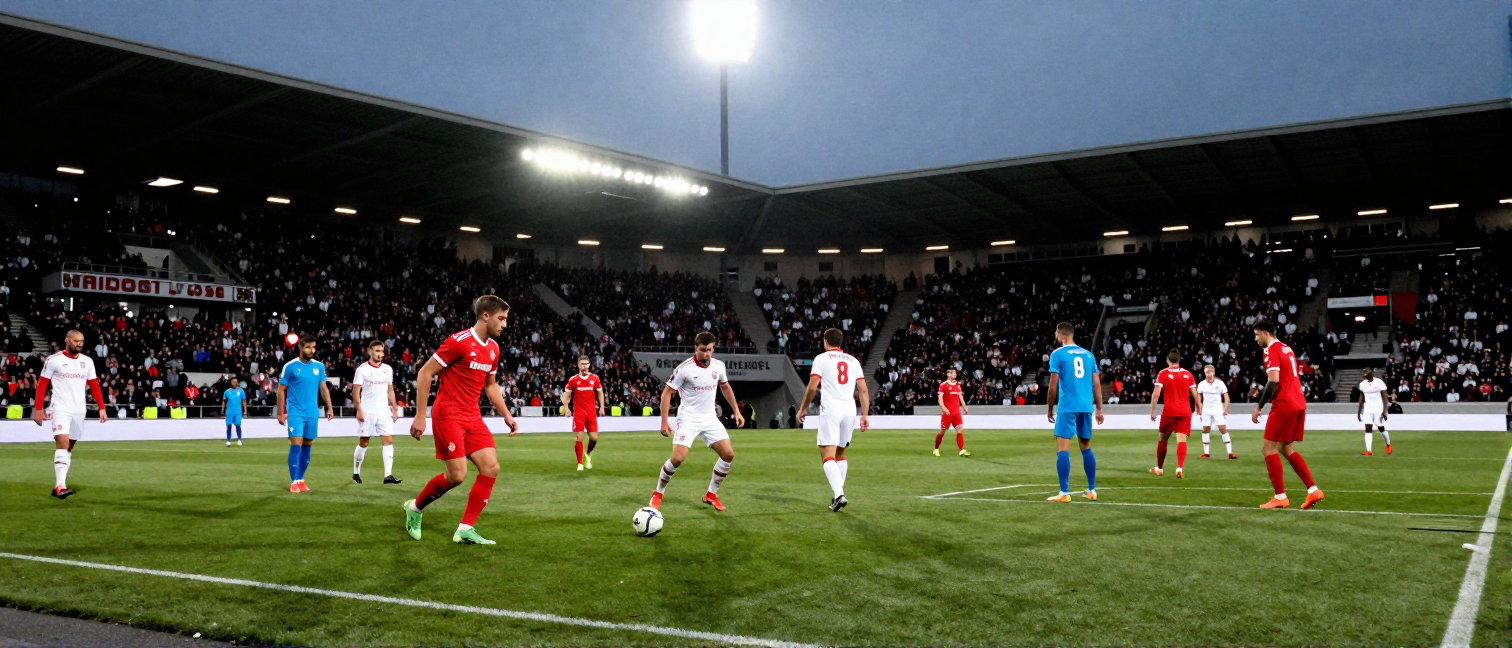
Annecy has predominantly employed a 4-2-3-1 formation, which aims to provide a solid defensive base while allowing for creativity in the attacking third. However, recent matches have highlighted deficiencies in both the defensive organization and the fluidity of the attack. The midfield duo often appears overrun, especially against teams that press aggressively. This has led to a lack of control in key areas, often leaving the back four exposed and inviting pressure from opponents.
Suggested Tweaks
1. Formation Shift to 4-3-3: Transitioning to a 4-3-3 formation could provide more balance in midfield. By adding an extra body in the center, Annecy can enhance ball retention and better manage the tempo of the game. This would not only help in alleviating pressure but also allow the wide players to stretch the opposition, creating more spaces for the central attacking midfielder.
2. Increased Pressing Intensity: While Annecy has shown moments of high pressing, it has often been inconsistent. Implementing a more structured pressing strategy could disrupt the opposition's build-up play. Encouraging forwards to initiate pressure earlier can force turnovers in dangerous areas, leading to quick transitions that exploit defensive lapses.
3. Utilizing Width Effectively: The current setup sometimes sees the wingers drift inward too often, which congests the central area and reduces attacking options. By instructing the wide players to stay wider, Annecy can stretch defenses and create more opportunities for overlapping full-backs. This not only provides more width but also pulls defenders out of position, opening up space for central attackers.
4. Flexible Roles for Midfielders: Adopting a more fluid approach in midfield, where players have the freedom to interchange positions, can disrupt opponents’ marking schemes. Allowing the central midfielder to roam forward occasionally can create overloads in the attacking third, making it difficult for opposing defenses to track players.
5. Focus on Set-Piece Defending: Another area for improvement lies in set-piece defending. Annecy has conceded several goals from dead-ball situations, indicating a lack of organization. Emphasizing a clear marking system and ensuring players are aware of their responsibilities during these situations will be crucial in tightening up defensively.
Conclusion
These tactical adjustments, while requiring a shift in mindset and approach, could significantly impact Annecy’s performance in the League. By focusing on a more cohesive structure, enhancing pressing dynamics, and optimizing offensive play, Les Rouge et Blanc can forge a path back to winning ways. As the team looks to regain form, implementing these changes could not only improve results but also reinvigorate the passion of the supporters at the Stadium.